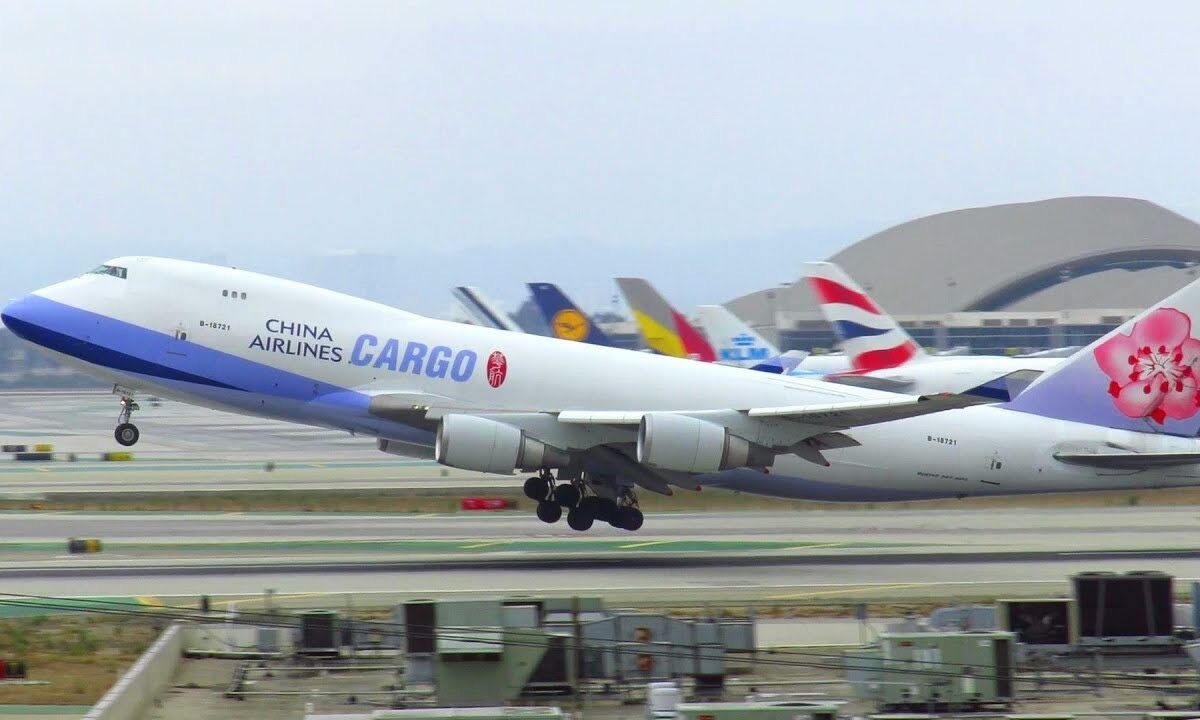
Airlines across the world have pledged net-zero emissions by 2050, putting pressure on the industry to accomplish the goal. This is a task that requires billions of dollars in investment and risks an increase in rates and fares,
The International Air Transport Association (IATA) whose members account for up to 82 percent of global air traffic, estimates the green transition could cost US$1.55 trillion.
Airbus hopes to do this by having its new aircraft running on hydrogen, which emits no pollution when burned and hopes to do this as early as 2035.
Fuel currently represents between 20 to 30 percent of airline operating costs. Higher prices would mark a big change for a sector even if it still excludes up to 95 per cent of the global population.
Some 310 million air trips were taken in 1970 and 4.4 billion in 2019.
IATA is banking on the figure rising to 10 billion in 2050 despite the Covid crisis.
IATA declared the cost of air transport has dropped 96 per cent since 1950 due to the introduction of jets in the 1960s, leading to dramatic industry growth, and the 1978 deregulation of the sector in the US.